
7 Reasons to Choose the Best Male Infertility Doctor in Kolkata
Introduction Many people think infertility is only a women’s health issue. However, medical research shows that male infertility is responsible for nearly half of all infertility cases. Problems related to sperm count, sperm quality, sperm movement, or reproductive health can make it difficult for a couple to conceive naturally. Today, thanks to modern medical science, many couples can achieve their dream of becoming parents. Early diagnosis, proper evaluation, and the right treatment plan play an important role in improving fertility outcomes. When searching for the best male infertility doctor in Kolkata, many couples look for an experienced fertility specialist who understands both male and female fertility issues. Choosing the right specialist can help identify the exact cause of infertility and recommend the most suitable treatment. Kolkata has several advanced fertility centres equipped with modern diagnostic facilities and treatment options. From simple lifestyle modifications to advanced reproductive technologies such as IVF and ICSI, couples now have access to comprehensive fertility care. Male infertility should never be considered a personal failure or a reason for embarrassment. It is simply a medical condition that can often be treated successfully. Seeking medical advice at the right time can make a significant difference. What Is Male Infertility? Male infertility is a condition where a man faces difficulty in helping achieve pregnancy naturally. This usually happens because healthy sperm are not produced in sufficient numbers or because the sperm cannot reach the female egg successfully. Healthy sperm should have three important qualities: Good quantity Good movement (motility) Good shape (morphology) If one or more of these factors are affected, natural conception may become difficult. Many men have no visible symptoms until they start trying to have a baby. That is why fertility evaluation becomes important when pregnancy does not occur despite regular unprotected intercourse. Fortunately, many causes of male infertility are treatable with medicines, surgery, lifestyle improvements, or assisted reproductive technologies. How Common Is Male Infertility? Male infertility is much more common than most people think. Medical experts estimate that male-related factors contribute to approximately 40% to 50% of infertility cases. This means that fertility evaluation should always include both partners rather than focusing only on the female partner. Unfortunately, social myths often prevent men from seeking medical help. Many delay treatment because they believe infertility is always caused by women. Early diagnosis increases the chances of successful treatment and reduces unnecessary emotional stress. Signs and Symptoms of Male Infertility Many men experience no symptoms at all. However, some warning signs may indicate fertility problems. Difficulty in Achieving Pregnancy The most common symptom is the inability to conceive after trying for one year without contraception. Low Sexual Desire Hormonal imbalance may reduce libido and affect fertility. Erectile Dysfunction Some men experience difficulty achieving or maintaining an erection. Ejaculation Problems Delayed ejaculation, painful ejaculation, or no ejaculation may require medical evaluation. Pain Around the Testicles Pain, swelling, or a lump near the testicles should never be ignored. Small Testicle Size Smaller-than-normal testicles may indicate hormone-related problems. Previous Surgery Men who have undergone hernia surgery, undescended testicle surgery, or reproductive surgery should discuss fertility with their doctor. Recurrent Pregnancy Loss Sometimes sperm quality may contribute to repeated miscarriages. Common Causes of Male Infertility Understanding the cause is the first step toward successful treatment. Low Sperm Count Low sperm count is one of the most common reasons behind infertility. When sperm numbers are lower than normal, fewer sperm reach the egg, reducing the chances of fertilization. Low sperm count may occur because of: Hormonal imbalance Smoking Alcohol Obesity Certain medicines Infections Environmental toxins Poor Sperm Motility Sperm must swim properly to reach the egg. If sperm movement is weak, pregnancy becomes difficult even if sperm count is normal. Poor motility may result from: Varicocele Smoking Heat exposure Infections Genetic conditions Abnormal Sperm Shape Healthy sperm have a specific shape that helps fertilization. Abnormally shaped sperm may have difficulty reaching or fertilizing the egg. Varicocele Varicocele refers to enlarged veins around the testicle. It is one of the most common treatable causes of male infertility. Varicocele increases the temperature around the testicles, which may reduce sperm production and quality. In selected patients, surgery can improve fertility. Hormonal Disorders Hormones control sperm production. Problems involving testosterone or pituitary hormones may reduce fertility. Hormonal treatment may help some patients depending on the underlying condition. Infections Certain infections can affect sperm production or block sperm transport. Examples include: Sexually transmitted infections Mumps after puberty Prostate infections Epididymitis Early treatment can prevent long-term complications. Blockage in the Reproductive Tract Sometimes sperm production remains normal, but sperm cannot travel because of a blockage. These blockages may occur because of: Previous surgery Injury Infection Congenital abnormalities In some cases, surgical correction is possible. Genetic Conditions Certain inherited conditions can reduce fertility. Genetic testing may be recommended for men with severe infertility. Understanding the genetic cause also helps doctors select the best treatment approach. Lifestyle Factors Lifestyle has a significant impact on male fertility. Poor habits that may reduce fertility include: Smoking Heavy alcohol consumption Drug abuse Poor diet Obesity Lack of exercise Chronic stress Inadequate sleep Improving lifestyle often enhances overall reproductive health. Environmental Exposure Long-term exposure to chemicals, pesticides, heavy metals, and radiation may reduce sperm quality. Men working in factories, chemical industries, or high-temperature environments should discuss occupational exposure with their doctor. Who Is at Higher Risk of Male Infertility? Certain factors increase the risk of infertility. These include: Age above 40 years Smoking Alcohol misuse Diabetes Obesity High blood pressure Previous chemotherapy Radiation therapy Family history of infertility Testicular injury Hormonal disorders Not every man with these risk factors becomes infertile, but they deserve proper medical evaluation. When Should You Visit a Fertility Specialist? Doctors usually recommend fertility evaluation if: Pregnancy has not occurred after one year of regular unprotected intercourse. The female partner is over 35 years old and pregnancy has not occurred after six months. There is a history of repeated miscarriage. The male partner has erectile or ejaculation problems.
7 Proven Best Infertility Treatment in Kolkata & South Kolkata

Becoming a parent is one of life’s most cherished dreams. However, for many couples, the journey to parenthood is not always easy. Infertility is a common medical condition that affects millions of couples worldwide, causing emotional, physical, and financial stress. Fortunately, advancements in reproductive medicine have made it possible for many couples to achieve successful pregnancies with the right medical care. If someone is searching for the best infertility treatment in Kolkata and South Kolkata, choosing an experienced fertility specialist is the first and most important step. Modern fertility treatments, advanced diagnostic facilities, and personalized care have significantly improved pregnancy success rates. Among the trusted names in reproductive medicine, Dr. Anindita Singh is widely recognized for her expertise, compassionate approach, and commitment to helping couples fulfill their dream of becoming parents. Through draninditasinghivf.com, patients can access detailed information about infertility, available treatments, and personalized fertility care designed to meet their unique needs. What is Infertility? Infertility is a medical condition in which a couple is unable to conceive naturally despite having regular, unprotected intercourse for at least one year. For women above the age of 35, medical evaluation is generally recommended after six months of trying to conceive. Infertility can affect both men and women. Contrary to popular belief, fertility issues are not limited to women alone. Research shows that male infertility contributes to nearly half of all infertility cases, making proper evaluation of both partners essential. Fortunately, with advancements in reproductive medicine, many infertility problems can now be successfully treated through personalized medical care. Understanding Male and Female Infertility Infertility is broadly classified into two categories: Female Infertility Female infertility may occur due to several reproductive health conditions that affect ovulation, fertilization, or implantation. Common causes include: Polycystic Ovary Syndrome (PCOS) Endometriosis Blocked fallopian tubes Hormonal imbalance Uterine fibroids Ovarian cysts Poor egg quality Advanced maternal age Early diagnosis significantly improves treatment outcomes. Male Infertility Male infertility is equally common and often goes unnoticed until fertility testing begins. Common causes include: Low sperm count Poor sperm motility Abnormal sperm morphology Varicocele Hormonal disorders Genetic abnormalities Lifestyle factors such as smoking, alcohol consumption, obesity, and stress Today, advanced male infertility treatment in Kolkata helps many men overcome these challenges through specialized medical care and assisted reproductive technologies. Signs and Symptoms of Infertility Many couples may not experience obvious symptoms apart from difficulty conceiving. However, certain signs should never be ignored. Symptoms in Women Irregular menstrual cycles Very painful periods Heavy menstrual bleeding Missed periods Hormonal imbalance Pelvic pain Multiple miscarriages Symptoms in Men Low libido Erectile dysfunction Ejaculation problems Pain or swelling in the testicles Reduced facial or body hair Previous infections affecting fertility Seeking help from an experienced infertility treatment specialist in Kolkata ensures early diagnosis and timely intervention. Common Causes of Infertility Several medical and lifestyle factors contribute to infertility. Age Female fertility naturally declines after the age of 35 due to reduced egg quality and quantity. Hormonal Disorders Hormones regulate ovulation and sperm production. Any imbalance can interfere with conception. Polycystic Ovary Syndrome (PCOS) PCOS is among the leading causes of female infertility and affects regular ovulation. Endometriosis This condition causes tissue similar to the uterine lining to grow outside the uterus, affecting fertility. Blocked Fallopian Tubes Tubal blockage prevents the egg and sperm from meeting, making natural conception difficult. Low Sperm Count Insufficient sperm production significantly reduces the chances of fertilization. Poor Sperm Quality Even when sperm count is normal, abnormal sperm shape or movement may affect fertility. Lifestyle Factors Lifestyle plays a significant role in reproductive health. Risk factors include: Smoking Alcohol consumption Obesity Chronic stress Lack of exercise Poor nutrition Environmental toxins Improving these habits often enhances fertility naturally. When Should Couples Seek Fertility Treatment? Many couples delay fertility treatment, believing pregnancy will happen naturally over time. However, early consultation often leads to better treatment success. Medical experts generally recommend fertility evaluation if: Pregnancy has not occurred after one year of trying. The woman is above 35 years and has been trying for six months. Menstrual cycles are irregular. There have been repeated miscarriages. Either partner has known reproductive health issues. Previous surgeries may have affected fertility. Consulting an experienced infertility treatment doctor in Kolkata allows couples to receive accurate diagnosis and timely treatment. Diagnosis of Infertility Accurate diagnosis forms the foundation of successful fertility treatment. A comprehensive fertility evaluation helps identify the underlying cause and enables specialists to create an individualized treatment plan. Female Fertility Tests Women may undergo several investigations, including: Hormone profile AMH (Anti-Müllerian Hormone) test Ovulation assessment Ultrasound scan HSG (Hysterosalpingography) Laparoscopy (if required) These tests evaluate ovarian reserve, uterine health, fallopian tube patency, and ovulation. Male Fertility Tests Male fertility evaluation generally includes: Semen analysis Hormonal evaluation Physical examination Scrotal ultrasound Genetic testing (when indicated) These investigations help determine sperm count, motility, morphology, and other factors influencing male fertility. Patients seeking male infertility treatment in South Kolkata often benefit from comprehensive diagnostic facilities combined with personalized treatment planning. Why Choosing the Right Fertility Specialist Matters Selecting the right fertility specialist is one of the most important decisions for couples struggling with infertility. Every fertility journey is unique, and successful treatment depends on an accurate diagnosis, individualized care, advanced reproductive techniques, and continuous support throughout the process. An experienced fertility specialist not only identifies the underlying cause of infertility but also recommends the most appropriate treatment based on factors such as age, medical history, ovarian reserve, sperm quality, and previous treatment outcomes. This personalized approach significantly improves the chances of achieving a successful pregnancy while avoiding unnecessary procedures. For couples seeking the best infertility treatment in Kolkata and South Kolkata, choosing a specialist with extensive experience in managing complex fertility cases, repeated IVF failures, low ovarian reserve (Low AMH), endometriosis, PCOS, and male infertility can make a meaningful difference. A compassionate doctor who combines evidence-based medicine with transparent communication helps patients feel confident and supported throughout their parenthood journey. Meet Dr. Anindita Singh – Trusted Fertility Specialist Dr. Anindita
Best Infertility Specialist in Kolkata – Expert Fertility Care with Dr. Anindita Singh
Introduction Infertility is becoming a common concern among couples across India. Many couples dream of becoming parents but face difficulties conceiving naturally. While this journey can be emotionally challenging, modern fertility treatments have made parenthood possible for countless families. If a couple has been trying to conceive for more than a year without success, seeking medical guidance is highly recommended. Choosing the best infertility specialist in Kolkata can significantly improve the chances of identifying the cause of infertility and finding the most suitable treatment. Dr. Anindita Singh is a dedicated infertility specialist and reproductive endocrinologist practicing in Kolkata. She provides comprehensive fertility evaluation and treatment for couples struggling with infertility. She is associated with IVF and fertility treatments, including IUI, IVF, ICSI, donor programs, and male infertility management. Meet Dr. Anindita Singh When searching for the best infertility doctor in Kolkata, experience, expertise, and patient-centered care are important factors to consider. Dr. Anindita Singh has extensive experience in fertility treatment and reproductive medicine. She currently practices at Nova IVF Fertility, Kolkata, and has been involved in more than 2,000 IVF cycles. Her areas of interest include low ovarian reserve, male infertility, endometriosis, and complex IVF cases. Many couples choose Dr. Singh because of her personalized treatment approach. Rather than following a standard treatment plan for every patient, she focuses on understanding each couple’s medical history, fertility challenges, and reproductive goals before recommending treatment options. This patient-focused approach has helped many couples move closer to achieving successful pregnancies. Why Fertility Problems Are Increasing Infertility can affect both men and women. According to fertility experts, several factors contribute to rising infertility rates. Some common reasons include: Delayed parenthood Stressful lifestyles Hormonal imbalances Poor dietary habits Obesity Smoking and alcohol consumption Environmental factors Reproductive disorders The good news is that early diagnosis and timely treatment can significantly improve fertility outcomes. This is why consulting the best fertility specialist in Kolkata at the earliest stage is often recommended. What Is Infertility? Infertility refers to the inability to achieve pregnancy despite regular unprotected intercourse for a specific period. Generally: Couples under 35 years should seek medical advice after one year of trying. Couples above 35 years should consult a fertility specialist after six months of unsuccessful attempts. Infertility can result from male factors, female factors, or a combination of both. Sometimes the exact cause remains unexplained. According to fertility specialists, infertility is not a disease that affects only women. Male infertility contributes to a significant percentage of infertility cases. Common Causes of Female Infertility Polycystic Ovary Syndrome (PCOS) PCOS is one of the leading causes of infertility among women. It affects ovulation and can make conception difficult. Symptoms may include: Irregular periods Weight gain Excess facial hair Acne Difficulty conceiving Endometriosis Endometriosis occurs when tissue similar to the uterine lining grows outside the uterus. This condition may cause: Severe pelvic pain Painful periods Fertility problems Blocked Fallopian Tubes Blocked or damaged fallopian tubes prevent sperm and egg from meeting, reducing the chances of natural conception. Low Ovarian Reserve As women age, the number and quality of eggs decrease naturally. Women with low ovarian reserve may require advanced fertility treatment options such as IVF. Common Causes of Male Infertility Many couples are surprised to learn that male factors contribute to infertility in a significant number of cases. This is why consulting the best male infertility doctor in Kolkata can be equally important. Common male infertility factors include: Low Sperm Count A lower-than-normal sperm count can reduce the chances of fertilization. Poor Sperm Motility Sperm must swim effectively to reach and fertilize the egg. Abnormal Sperm Morphology Irregular sperm shape may affect fertilization. Hormonal Problems Hormonal imbalances can interfere with sperm production and reproductive function. Varicocele This condition involves enlarged veins in the scrotum and can affect sperm quality. When Should You See an Infertility Specialist? Many couples delay seeking fertility treatment because they assume pregnancy will happen naturally over time. However, early evaluation often improves treatment outcomes. Couples should consider consulting the best infertility specialist doctor in Kolkata if: They have been trying to conceive for more than one year The woman is over 35 years old Menstrual cycles are irregular There is a history of miscarriage Male fertility issues are suspected There is a known reproductive health condition Early diagnosis allows specialists to identify problems before they become more difficult to treat. Fertility Evaluation Process A fertility evaluation is the first step toward understanding the cause of infertility. Female Fertility Assessment Tests may include: Hormone testing Ultrasound scans Ovulation monitoring Fallopian tube assessment Ovarian reserve testing Male Fertility Assessment Tests may include: Semen analysis Hormone testing Physical examination Genetic evaluation if required The results help fertility specialists create a customized treatment plan. Fertility Treatments Available Couples looking for the best infertility treatment in Kolkata can access a wide range of modern reproductive treatments. Ovulation Induction Medication is used to stimulate egg development and ovulation. This treatment may be suitable for women with irregular ovulation. Timed Intercourse Ovulation tracking helps couples identify the most fertile days for conception. Intrauterine Insemination (IUI) IUI is a relatively simple fertility procedure. Healthy sperm are specially prepared and placed directly inside the uterus during ovulation. IUI is often recommended for: Mild male infertility Unexplained infertility Cervical factor infertility Couples using donor sperm It is a minimally invasive procedure that typically does not require anesthesia. IVF vs IUI: Which Fertility Treatment Is Right for You? Many couples visiting the best infertility specialist in Kolkata often wonder whether they should choose IUI or IVF treatment. Both treatments are effective, but they are recommended for different fertility conditions. What Is IUI? Intrauterine Insemination (IUI) is a fertility treatment in which specially prepared sperm are placed directly inside the uterus during ovulation. The goal is to increase the chances of fertilization by helping sperm reach the egg more easily. What Is IVF? In Vitro Fertilization (IVF) is a more advanced fertility treatment. Eggs are collected from the ovaries and fertilized with sperm
Common Causes of Female Infertility and How to Treat Them – Dr. Anindita Singh
Infertility is a widespread problem among Indian women these days. It may be stressful and confusing, and the positive news is that most of the causes of infertility are treatable. The first step that leads to the correct solution is to understand why it is so. What Is Female Infertility? Female infertility refers to the inability to conceive after some time. This is usually common in: 12 months among women under 35. Women who have been above 35 for more than six months Note: This may be due to various causes such as issues with ovulation, the uterus or general wellbeing. 1. Problems with Ovulation The ovary releases an egg every month, and this is called ovulation. Without regular ovulation, it is hard to become pregnant. PCOS (Polycystic Ovary Syndrome) is one of the common conditions. Signs: Irregular periods Missed periods Weight gain or acne These signs will be accompanied by more serious issues such as depression and anxiety. This, in turn, might lead to serious body image issues. It is important to remember that body image issues are often linked with an increase in body weight, thinning of hair, and dermatological changes such as the development of dark patches across the skin. Treatment: Although the common opinion is that PCOS is an irreversible condition, it can be managed properly. Considering this, some of the ways by which this condition can be managed are: Eating well and exercising. Drugs to help with ovulation. Hormone treatment Out of these, eating well and maintaining a strict, balanced diet for at least six months is the best way. Considering this, including foods rich in fibre, lean protein, and fats can assist in stabilising hormone levels, weight loss, and increasing the chances of pregnancy. In a country like India, where reportedly 25% of women within the reproductive age suffer from this condition, promoting healthy food habits is a must. 2. Blocked Fallopian Tubes Fallopian tubes help in the meeting of the egg and the sperm. When they are clogged, then fertilisation becomes impossible. Causes: Some common causes related to blocked fallopian tubes are: Infections Past surgeries Endometriosis There are some high-risk factors involved as well. Some of them are STIs in the Pelvic Area, Hydrosalpinx, and Ectopic pregnancies (if they took place in the past). The doctors commonly use Hysterosalpingogram (HSG). HSG is a special type of X-Ray that is used to detect clogged tubes. Treatment: Common treatment procedures associated with clogged fallopian tubes are: Operation to enlarge the tubes. Bypassing the tubes in IVF treatment Here, it is important to remember that the mode of treatment will be selected according to the age of the woman. Considering this, enlarging or repairing the tubes usually involves procedures like Recanalization, Laparoscopic Surgery, and Tubal Ligation Reversal. However, these are only considered for younger women. In contrast, bypassing the tubes in IVF treatment is only considered when the tubes themselves are damaged beyond repair. 3. Age Factor The quality and quantity of eggs decrease as women get older. This complicates getting pregnant. Treatment: Although for this condition, pregnancy is always a 50/50 chance, there are some ways to ensure the success of pregnancy: When possible, plan pregnancy earlier. Freezing of eggs to use in the future. IVF/donor egg alternatives Out of these ways, the best option is to plan a pregnancy early. The prime time to think about pregnancy is during the late twenties to early thirties. If that threshold is crossed, it is wise to consider IVF. For that, you can consult Dr Anindita Singh, the best IVF doctor in Kolkata. 4. Hormonal Imbalance The menstrual cycle is regulated by hormones. Unless they are balanced, ovulation might not occur normally. Signs: Some of the most common signs of hormonal imbalance are: Irregular periods Weight changes Tiredness Weight changes contribute most to hormonal changes. So it’s always wise to maintain a healthy weight through daily exercise. The easiest way to maintain such a weight is by avoiding junk and high-fat foods for at least six months. Remember, your lifestyle affects your ability to get pregnant greatly. When Do You Need To See A Doctor? There are certain signs which will tell you when you need to consider seeing a doctor. These signs are: You have long been attempting to no avail. You have irregular periods. You have miscarried several times. Treatment at an early age can enhance your conception. General treatment suggestions can include: Medicines to help with ovulation Surgery for physical problems Therapies such as IVF or IUI. The treatment plan varies, and each is based on your condition. Schedule Your Appointment Today: Phone: 9830203055 Online Booking: click here Conclusion There are numerous causes of female infertility, the majority of which can be eliminated or controlled. The trick is to realise the issue at hand early enough and do the appropriate things. Through adequate care, medical care and healthy lifestyle changes, more women can have a successful pregnancy. In case of any challenge, do not put it off to get assistance- early is the best solution.
How Supplements Affect Fertility: A Detailed Look into the Effects of Supplements on Reproductive Health
Your daily habits influence your capacity to conceive as well as the functioning of hormones within the body, family history, and overall health. However, recently, there has been an increasing number of individuals resorting to vitamins and minerals to help sustain their reproductive systems, both men and women. These products are not replacements for doctor-led care, and with a wise choice, they can really make a difference when implementation is considered as part of everyday life. Supplements and Fertility Key vitamins are important to the balance of hormones, and minerals help to ensure the running of a good reproduction. When nutrients are constantly supplied either by food or otherwise, egg and sperm quality tend to increase. A lack of dietary elements that are barely noticed in everyday life is one of the possible causes when ovulation fails. Sperm vitality even drops off occasionally without an obvious cause, but nutrition may be working behind the scenes. Even strategically planned meals sometimes fail to meet their targets, and leave a gap that can be filled by supplements. There is a slight change in the chances of conceiving when nutritional imbalances are corrected, either through plate or pill. The Vitamins and Minerals Women should have to sustain their Reproductive Health Folic Acid Immediately, folic acid is an exceptional choice in pregnancy preparation. This nutrient is silent and important since the cells require new DNA to multiply. Prior to the time most people are aware they are pregnant, it directs the development of the spine and brain of the baby. The lack of it can lead to a nearly silent beginning of problems in those initial weeks. Then it becomes less a matter of choice and more a matter of groundwork to get adequate amounts. Vitamin D The gift of sunlight is able to keep hormones constant and ovarian functioning on some days. In its absence, the body may experience irregularities of periods that come and go and complicate pregnancy. A sufficient amount can silently increase the chances of an egg releasing properly, along with attaching where necessary. Iron In some cases, women experience difficulties with pregnancy due to iron deficiency. Periods are restless – late coming or missing months – without sufficient of this mineral in the body. Occasionally, egg health submerges under these circumstances. A fix of the shortfall tends to put cycles back on course. A stable supply of supplements is likely to put things back in order. Omega-3 Fatty Acids Healthy fats help in hormone production, as well as enhance blood flow to the reproductive systems and may even enhance egg health. Body-wide inflammation is more likely to decrease with these fats included in the daily meal. Coenzyme Q10 (CoQ10) CoQ10 is a powerful defender within cells, which assists in daily processes. Better egg health results from its use in those over the age of thirty. Supplements To Enhance Male Fertility Zinc Newer zinc supplies aid sperm formation and hormone balance. Once it goes low, the sperm motion and count tend to decrease. Selenium Built into sperm’s makeup, selenium plays a role in form and performance. Protection also takes effect, as it protects reproductive cells against oxidative damage. Vitamin E and Vitamin C Such vitamins combat damage by unstable molecules, which safeguard genetic material in sperm. They enhance the performance of swimmers and the general welfare of the cells one after another. L-Carnitine This amino acid derivative increases energy levels and is also related to improved sperm cell movement and performance. It operates in the backroom of cell processes but presents definite impacts on male reproductive health. The Role of Antioxidants Severe oxidative stress has the capacity to damage both genders’ reproductive health. Antioxidants calm free radicals, thereby protecting egg and sperm cells. CoQ10 is added to the list of vitamin C, vitamin E, and selenium as popular supplements in enhancing reproductive health. Unnecessary Supplements? Some individuals do not require pills to get all they need. Nutrient demands can be met by consuming plenty of fruits, vegetables, whole grains, lean meats and the good fats. At low levels, health problems emerge, or ageing is a factor that affects the fertility of the individual; additional support due to supplements may count. However, not every situation calls for them. What to keep in mind Before You Begin Some points to keep in mind are: Pills may be helpful, but care is also as important as pills. Do not self-prescribe large doses. Too much of some of the vitamins is unhealthy. Always consult someone who is trained in health care before using any supplement. The decision should be made by a qualified person. You might consider consulting Dr Anindita Singh, the best IVF doctor in Kolkata. Talking to an expert like her helps avoid risks. Health decisions must be carefully considered. Experience is important in attempting something new. Select quality, clinically accepted products approved by your doctor. Schedule Your Appointment Today: Phone: 9830203055 Online Booking: click here Conclusion Supplements may have a supportive role to play in enhancing fertility through nutritional deficiencies, improved egg and sperm quality, and hormonal balance. But they are most effective when paired with a proper lifestyle and medical advice. When planning to conceive or when experiencing fertility issues, you need to adopt an individualised approach. A combination of diet, lifestyle modifications and supplements, as advised by a healthcare professional, can go a long way in ensuring a healthy pregnancy.
Fertility Changes With Age: A Detailed Perspective – Dr Anindita Singh
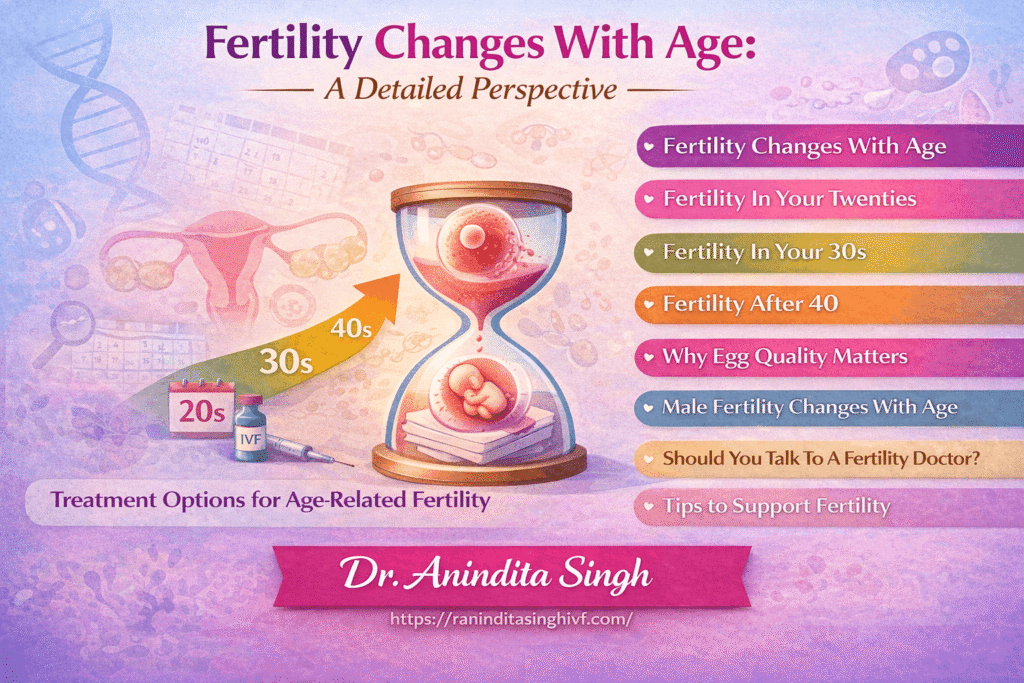
Getting pregnant relies on lots of things. Out of those things, age stands out the most. Since so many women now wait longer to have kids, knowing what time does to fertility matters more than ever. Should trouble with conception come up while building your family, turning to an expert such as Dr Anindita Singh, the best IVF doctor in Kolkata, is the best solution. Fertility Changes With Age Frozen at birth, a woman’s egg count never grows back. It fades steadily through life. As years pass, fewer remain, while those left often carry more flaws than before. This makes it harder to initiate a pregnancy. These changes also raise the odds of problems later on. The older she gets, the steeper the drop becomes. Fertility In Your Twenties Fertility peaks in the twenties. This period brings such a window – body readiness hits its stride here Egg quality is at its peak When hormones stay steady, eggs are released on time each month Chances of natural conception are high Couples in their twenties who are feeling fine usually reach a 25 to 30 per cent chance of getting pregnant each month. However, ailments like PCOS or even endometriosis might quietly lower those odds. Fertility In Your 30s The chances of successful conception start to decline in the early thirties. Though plenty of women still get pregnant without help, small shifts begin showing up inside. Considering this, some early signs are: Slight reduction in egg quality Longer time to conceive Possible irregular ovulation Midlife brings changes that show up clearly by the late thirties. The chances of fertility drop by a significant level. Each monthly window offers just a 15–20% shot at pregnancy, while odds of losing a pregnancy begin climbing. Anyone above thirty-five who has spent half a year attempting without success might consider reaching out to the best IVF doctor in Kolkata for support. Fertility After 40 Forty years old marks a shift – egg numbers drop sharply past then. That change comes because biological clocks are ticking down faster now. Considering this, common issues women face during this age are: Reduced ovarian reserve Poor egg quality Increased chromosomal abnormalities Most women see odds drop under five per cent each month. Problems during pregnancy can show up more often, too. By now, getting pregnant usually needs help – methods such as IVF step in. Why Egg Quality Matters The freshness of eggs matters most when trying to get pregnant. With passing years, Most eggs carry a higher chance of genetic issues. Due to this, fertilisation rates decrease Later pregnancies carry a higher chance of losing the baby before birth. Fewer eggs matter, yet quality counts more when time passes. What changes most isn’t quantity alone – each egg carries different odds. Male Fertility Changes With Age Even so, men aren’t immune as years pass – fertility shifts happen here too. Quality of sperm can decline, movement slows down, and DNA integrity might weaken. Still, when stacked against women’s reproductive timeline, these effects tend to be milder. Sometimes late. Should You Talk To A Fertility Doctor? You should consult Dr Anindita Singh, the best IVF doctor in Kolkata, if you are: Under 35 and still not pregnant after a full year of trying Unable to conceive even after trying for more than fifty weeks. Your body has changed since then. Maybe timing feels off now. Each month passes differently. Age shifts how things work. Half a year is longer than it sounds. Chances adjust after thirty-five. The wait becomes its own rhythm Suffered from irregular periods or known reproductive issues Having lost pregnancies before is something you’ve experienced Starting early with Dr Singh, the best IVF doctor in Kolkata, might just bring the odds to your favour. Meeting the right expert at the right moment often makes a difference. Treatment Options for Age-Related Fertility Modern reproductive medicine offers several solutions: IVF (In Vitro Fertilisation) ICSI (Intracytoplasmic Sperm Injection) Donor Egg Programs Older patients might respond differently, especially if other health issues are present. With care shaped around individual needs by someone such as Dr Anindita Singh, results often get better. Yet how well things go leans heavily on overall condition, plus how long problems have lasted. The best IVF doctor in Kolkata will lead you to the best possible solutions. Tips to Support Fertility Good routines help fertility. Starting each day right makes a difference somehow. A walk after meals might matter more than expected. What you drink in the morning could play a role, too. Sleep changes things quietly over time. Small choices add up without making noise. Food shapes outcomes behind the scenes Maintain a balanced diet Exercise regularly Avoid smoking and alcohol Manage stress effectively Get routine health check-ups Small daily habits shape both reproductive health and general wellness. A steady routine often brings quiet improvements over time. Choices made today might show results much later. Simple actions tend to add up without notice. How someone lives affects more than just mood or energy levels. Schedule Your Appointment Today: Phone: 9830203055 Online Booking: click here Conclusion Starting a family might feel uncertain, yet guidance from Dr Anindita Singh – the best IVF doctor in Kolkata – could open doors to personalised paths forward. When obstacles appear, her expertise offers clarity; hope remains within reach, even at difficult stages